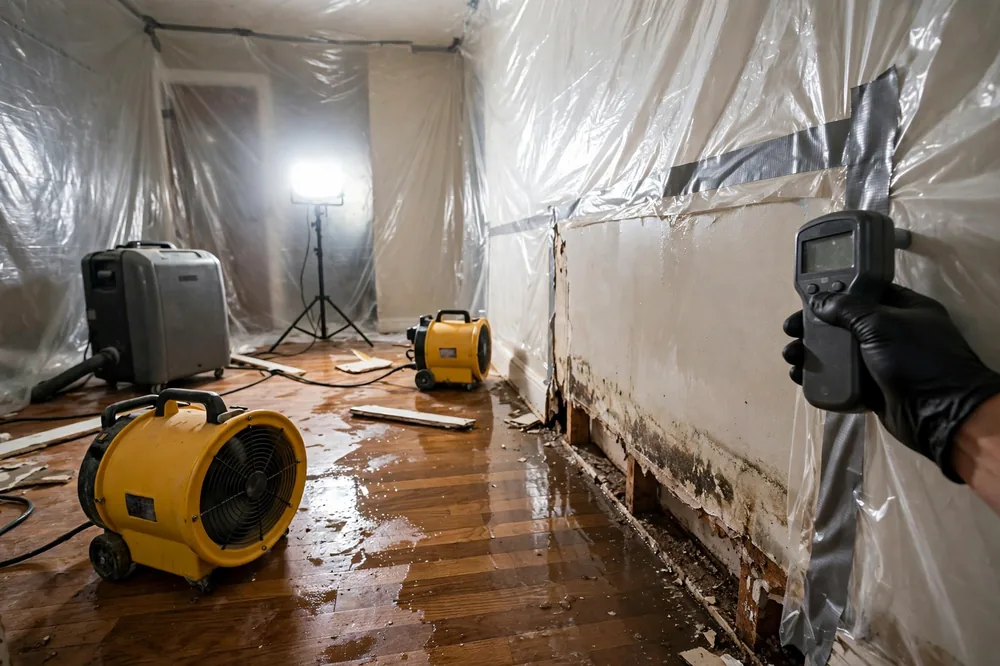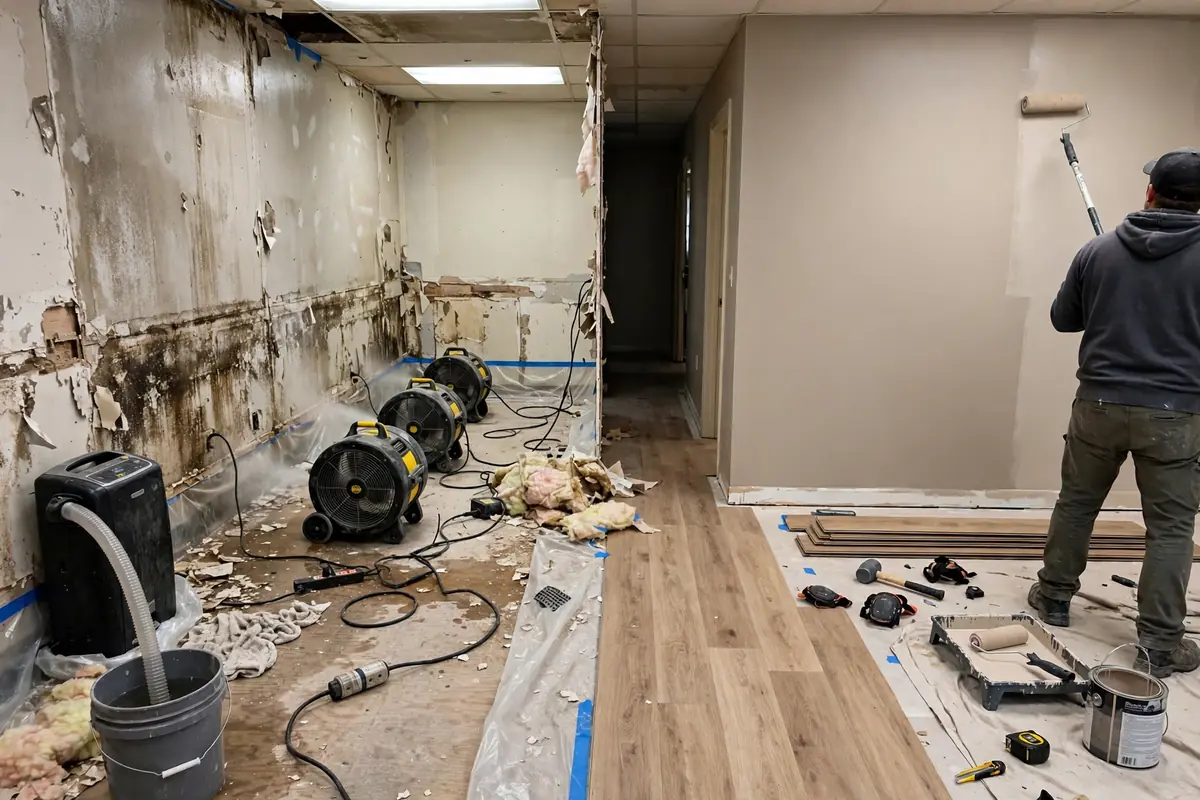
Drywall, flooring, trim and paint โ putting rooms back together after everything is verified dry. One call connects your repair job with an independent local pro who rebuilds what the water took apart.
One call is the whole intake. Tell us where the water is, where it came from, and when it started โ we match the job with a local pro and they confirm the scope with you before any work begins.
๐ Call Now Prefer email? Write to us โNo forms, no obligation. A referral service โ not a direct service company.

Repair is the rebuilding phase of a water damage job, and it begins only when drying has done its work. Everything that was opened, removed or damaged to get the structure dry now needs to be made whole: insulation replaced, drywall or plaster patched, flooring relaid, trim reinstalled, cabinets set right and paint blended so the room reads as one room again. Done in the right order, repair returns the space to daily life without reminders of the event in every corner.
Pittsburgh homes ask for repair judgment that newer suburbs rarely do. Plaster walls on wood lath, original hardwood under later flooring, ornate trim profiles and built-in cabinetry are common across the city and the older boroughs. A repair pro working here knows when original material can be saved and matched, how to blend a patch into a plaster wall so it does not telegraph through the paint, and how to handle a floor that has three generations of material stacked in it.
Repair also has a paperwork side. The scope of what gets replaced is normally agreed in writing before work starts, often alongside an adjuster scope when a claim is open. Clear scope notes โ what was removed during drying, what is being rebuilt, and with what materials โ keep the phase moving and prevent the misunderstandings that stall jobs halfway through a room.
Six parts that take a dried, opened room back to finished and livable.
Sections removed for drying are replaced, seams are finished, and plaster walls are patched back to firm material and skimmed to match the surrounding surface.
Wet insulation that came out during mitigation is replaced in walls and ceilings before they are closed, restoring the thermal layer the room had.
Damaged sections of hardwood, laminate, vinyl, tile or carpet are repaired or replaced, with transitions planned where old and new material meet.
Baseboards, casing and trim removed or damaged during the job go back in, matched in profile and finished to sit naturally with the rest of the room.
Cabinet bases, toe-kicks and built-ins affected by water are repaired or rebuilt so kitchens and bathrooms return to full use.
Repaired surfaces are primed with stain-blocking primer where water marked them, then painted to blend with the existing room color and sheen.
Five steps from dry structure to finished room.
Good repair work is mostly patience and matching. These methods are how a rebuilt room ends up looking untouched.
A cut sample of the removed flooring or trim tells a supplier more than a photo or a memory. Pros work from the physical piece, and from attic or basement stock of the original material when it exists.
A thin skim coat over a patch and its edges feathers the repair into an older plaster wall, so light raking across the wall does not outline the patch after painting.
Water leaves minerals and tannins that bleed through ordinary paint as shadow stains. A stain-blocking primer seals those marks so the finish coat stays clean and even.

Repair scenes at the start of the build-back, and once the room is finished.
Lower drywall removed, insulation out, framing exposed and dry.
Insulation replaced, new drywall finished, baseboard reinstalled and paint blended across the wall.
Damaged boards out, subfloor dry and ready, cabinets awaiting base repair.
Matched flooring installed, cabinet bases rebuilt, room back in daily use.
Stained, sagging section cut out, cavity dry above.
Patch set to firm plaster, skimmed smooth, primed and painted to match the room.
Three problems that appear when repair is rushed or started too early.
Closing a wall that still reads wet trades a drying problem for a hidden decay problem. This service starts repairs on verified dry readings, every time.
Texture, thickness and sheen differences make repairs obvious. Sample matching and skim blending are how a patched Pittsburgh plaster wall ends up reading as one wall.
Unwritten scopes grow arguments. A written, approved repair scope โ materials named, rooms listed โ keeps the build-back on the rails from start to walk-through.
What came out during drying decides what repair has to put back.
The size and number of wall, ceiling and floor openings made to dry the structure set the core of the repair list.
Flooring sections, trim, insulation and cabinet parts removed during mitigation each need a repair or replacement decision.
Connected open areas and original older materials can call for wider blending work so repairs sit naturally in the room.
Cabinets, shelving, and bathroom or kitchen fixtures in the damaged area add their own repair steps to the scope.
When repairs can start, matching new work to old rooms, who decides on replacements, and plaster repair.
Nine other ways the network helps Pittsburgh homes after water gets in.
Tell us what happened and where. We will match your job with an independent local water damage professional who serves your neighborhood.
๐ Call NowCalls are the fastest route โ water does not wait for inboxes. Email works too if the situation is stable and you are planning ahead.
Describe the water, the source and your neighborhood. We match the job with a local pro from there.
rankandrent2+pittsburgh-water-damage@gmail.com โ include your ZIP and a few photos if the situation is stable.
Pittsburgh, PA and 15 suburbs across the 43-ZIP metro โ from Wexford to Glassport, McKees Rocks to Monroeville.
One call covers intake, matching and scheduling. The pro confirms scope and cost with you directly before any work starts โ nothing begins on a surprise.
๐ Call Now or Browse the services first โ