โœ‰๏ธ rankandrent2+pittsburgh-water-damage@gmail.com
Pittsburgh, PA ยท Three Rivers Region ยท 43-ZIP Service Area

Emergency Water Removal in Pittsburgh, PA

Water rising or spreading right now? This is the urgent extraction service for active losses. One call describes the scene, and we connect the job with an independent local pro set up for fast extraction and drying.

๐Ÿ’ง Water in your home right now?

Talk to the Pittsburgh team

One call is the whole intake. Tell us where the water is, where it came from, and when it started โ€” we match the job with a local pro and they confirm the scope with you before any work begins.

๐Ÿ“ž Call Now Prefer email? Write to us โ†’

No forms, no obligation. A referral service โ€” not a direct service company.

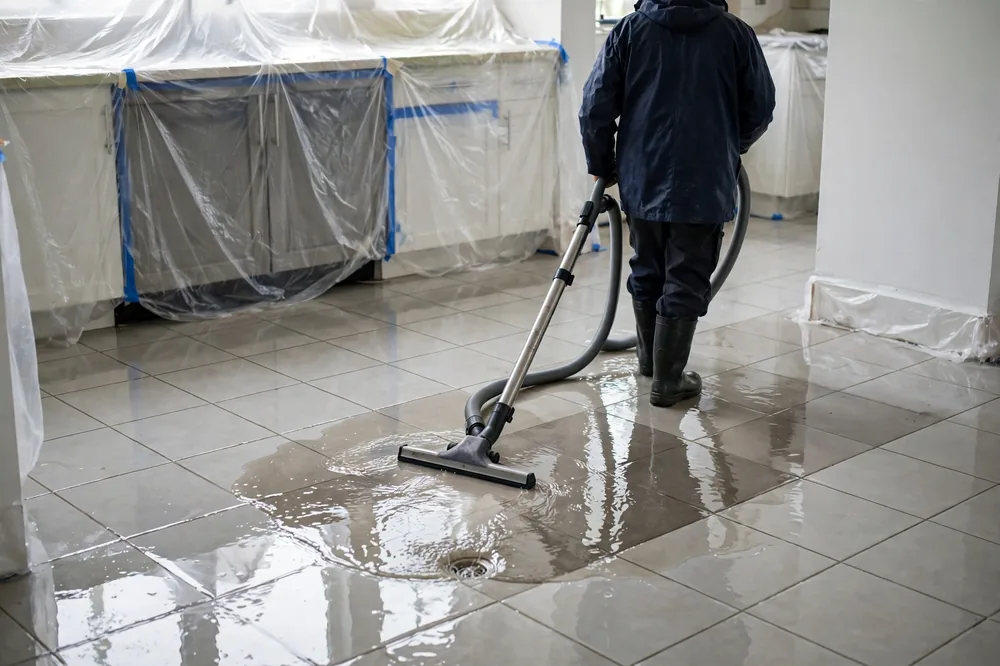
Emergency extraction of standing water from a Pittsburgh home at night
For active losses

Understanding Emergency Water Removal in Pittsburgh, PA

Emergency water removal is extraction work organized around one fact: the loss is still growing. A pipe is still running, a basement is still filling, or storm water is still finding its way in. In that situation the order of work changes. Safety and source control come first, bulk water comes out immediately, and the careful sorting and planning of a standard job happen after the home is stable. The aim of the first visit is simple to say and hard to do: stop the damage from getting any larger today.

Pittsburgh supplies these calls in every season. Winter brings burst pipes in Brookline and Beechview rowhouses. Spring rain overwhelms drains in the creek valleys and pushes water into basements from Millvale to Carnegie. Summer storms drop water faster than older combined systems can carry it, and a water heater or washing machine line can turn any ordinary evening into a soaked first floor. The common thread is not the cause โ€” it is water in motion, gaining ground by the hour.

What you do before the crew arrives matters, and it is mostly about safety and access. Shut the water off if you can reach the valve without wading through water near electrical points. Keep clear of wet areas around panels and appliances. Move what is light and close at hand, take a few photos, and clear the path from the door. Then let the crew do the heavy work โ€” that sequence protects both your household and your belongings.

  • Built for water that is still moving, rising or spreading
  • Safety and source control before extraction begins
  • Bulk water out first, sorting and planning right after
  • Drying set up in the same visit so nothing waits wet
What is covered

What Our Emergency Water Removal Service Includes

Six parts of an urgent first response, from the intake call to a stable, drying home.

Priority intake and matching

Your call captures the few details that decide the response โ€” source, depth, rooms and power โ€” and matches the job with a local pro ready for active-loss work.

On-site safety and source control

The crew checks electrical and structural safety first, and confirms the source is stopped or isolated before extraction equipment goes to work.

Bulk pumping and extraction

Pumps and extraction tools run together: bulk water out of low areas while soaked carpets and floors are worked in the same visit.

Contents protection in place

Furniture is blocked or moved, and belongings in the water path are lifted to dry ground as extraction moves through the rooms.

Immediate drying setup

Air movers and dehumidifiers are placed before the crew leaves, so the hours right after extraction โ€” the most valuable drying hours โ€” are not lost.

Stabilization summary and next steps

You get a clear summary of what was done, what readings show, and what happens next, with photos and notes started for the claim record.

Step by step

Our Emergency Water Removal Process

Five steps, compressed for an active loss but never skipped.

Where the water is, where it is coming from, when it started, and whether it is still running. That is enough to match the job and plan the equipment. The pro confirms the scope and cost with you before work starts, on site, once the scene can be assessed in person.
On arrival the crew checks for electrical hazards, a water-loaded ceiling or other risks, and confirms the source is off. If the shut-off has not been found yet, that becomes the first job, together, before anything else proceeds.
Bulk water is pumped from low areas while extraction tools work the floors and carpets. Contents are lifted clear as the water drops. The crew works the hardest-hit area first, so the largest source of ongoing soaking is handled earliest.
With the water out, the crew photographs the stabilized rooms, takes moisture readings across walls and floors, and places drying equipment in a planned pattern. Dry areas are protected so the work zone stays contained.
Before leaving, the pro walks you through the state of the home: what is dry, what is drying, what material decisions are coming, and when the next check visit happens. The emergency phase ends with the home stable and the rest of the job clearly mapped.
Tools & methods

Tools & Methods for Emergency Removal

Emergency work uses the same professional tools as standard removal, organized for speed and run in parallel where the scene allows.

Pumps and extraction running together

While pumps drop the water level in a basement, extraction tools work the rooms that are already reachable. Running both at once shortens the wettest hours of the whole job.

Truck-mounted and portable vacuum power

Strong vacuum is what pulls water out of carpet and padding rather than across them. Portable units reach upper floors and tight Pittsburgh stairwells where larger setups cannot go.

Rapid moisture triage

Quick readings across rooms rank the zones from wettest to lightest, so drying equipment lands first where the structure needs it most instead of where it is easiest to place.

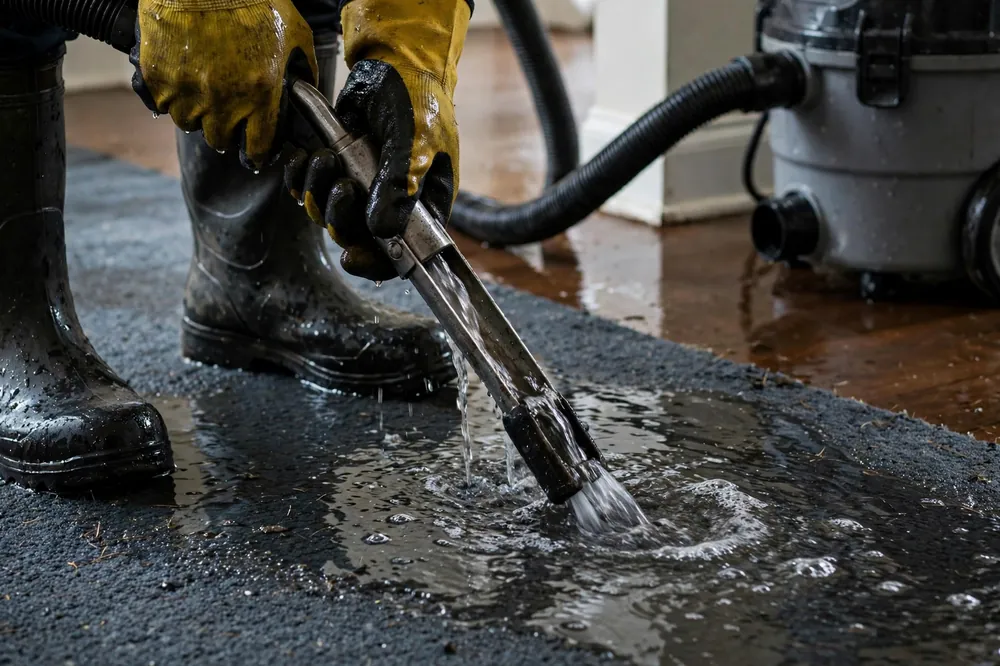
Extraction equipment removing standing water during an emergency call
Change you can see

Before and after.

Active-loss scenes at the moment of the call, and once the emergency visit has stabilized them.

Before

Basement filling through a drain

Water rising around stored items, pump silent, rain still falling.

After

Basement pumped and stable

Water pumped out, contents lifted, extraction complete and drying underway.

Before

First floor under a running supply line

Water spreading across hard floors toward carpeted rooms.

After

Source off, floors extracted

Line shut off, water extracted at the spread edge first, carpet protected and drying set.

Before

Kitchen after a water heater failure

Sheet of water across the kitchen, running under cabinets and into the hall.

After

Kitchen clear and drying

Water extracted including cabinet edges, readings taken, drying equipment running.

Problems Solved by Our Emergency Water Removal Services

Three things an urgent response prevents while a scheduled one cannot.

01

Spread into rooms that were dry

Moving water claims new floor area by the hour. Emergency extraction works the spread edge early, keeping the loss the size it was when you called.

02

Deep soaking that turns minor into major

The difference between drying a floor and replacing it is often a single night of standing water. Fast removal keeps materials on the saveable side of that line.

03

Unsafe conditions left unmanaged

Water near electrical systems and loaded ceilings are hazards, not inconveniences. An emergency visit starts with a safety sweep, so the home is safer from the first hour.

๐Ÿ“ž Call Now

Scope factors

What Decides the Scope of an Emergency Water Removal Job

Motion, depth and access decide how an emergency job is staffed and equipped.

Whether water is still entering

An active source changes everything: shut-off and containment come first, and extraction runs against the inflow until it stops.

Depth and number of rooms

Pooled water across several rooms calls for pumping capacity and multiple extraction setups working at the same time.

Power and safety conditions

Wet electrical areas, storm damage or access problems add safety steps that shape how the crew enters and works.

What the water reached

Finished rooms, stored contents and building systems in the water path decide the protection and sorting work inside the visit.

Good questions

Emergency Water Removal Questions

What counts as an emergency, what to do while you wait, staying safe around electricity, and a faster intake call.

Ask Your Question

Any water that is still moving, rising or spreading counts: a burst pipe that will not stop, a basement filling through a drain or a failed pump, a water heater that has let go, or storm water entering the home. Water sitting still after the source is stopped is urgent but more stable. If you are unsure, describe what you see on the call and the intake will treat moving water as the emergency it is.
Stop the water at the main shut-off if you can reach it safely. Move small, light items off wet floors, lift curtains and furniture skirts out of the water, and take quick photos of each room. Keep the path from the door to the affected area clear so equipment comes straight in. Avoid tearing out carpet or walls yourself; the crew will do removal in a documented way.
Treat any standing water near a panel, outlets, power strips or appliances as off limits until power to that area is off. Do not stand in water to use anything electrical, and do not touch a breaker panel with wet hands or while standing in water. If you cannot shut power off safely from a dry location, stay out of the water and let the crew or an electrician handle that step first.
Four things: where the water is, where it is coming from if you know, when it started, and whether it is still running. Add your neighborhood and ZIP, whether the basement is finished, and anything about power or access, like a locked gate or a dog. With those details the match and the equipment plan are mostly decided before the crew is even dispatched.
Keep exploring

Related Services

Nine other ways the network helps Pittsburgh homes after water gets in.

One call starts it

Need Emergency Water Removal in Pittsburgh, PA?

Tell us what happened and where. We will match your job with an independent local water damage professional who serves your neighborhood.

๐Ÿ“ž Call Now
Get in touch

Contact Us for Emergency Water Removal

Calls are the fastest route โ€” water does not wait for inboxes. Email works too if the situation is stable and you are planning ahead.

๐Ÿ“ž

Call the intake line

Describe the water, the source and your neighborhood. We match the job with a local pro from there.

โœ‰๏ธ

Email us

rankandrent2+pittsburgh-water-damage@gmail.com โ€” include your ZIP and a few photos if the situation is stable.

๐Ÿ“

Service area

Pittsburgh, PA and 15 suburbs across the 43-ZIP metro โ€” from Wexford to Glassport, McKees Rocks to Monroeville.

Skip the phone tag

One call covers intake, matching and scheduling. The pro confirms scope and cost with you directly before any work starts โ€” nothing begins on a surprise.

๐Ÿ“ž Call Now or Browse the services first โ†’
๐Ÿ“žWater damage?Call Now